
Liability Cover
Pays for the injuries and damages you cause to others.
Your car, your cover
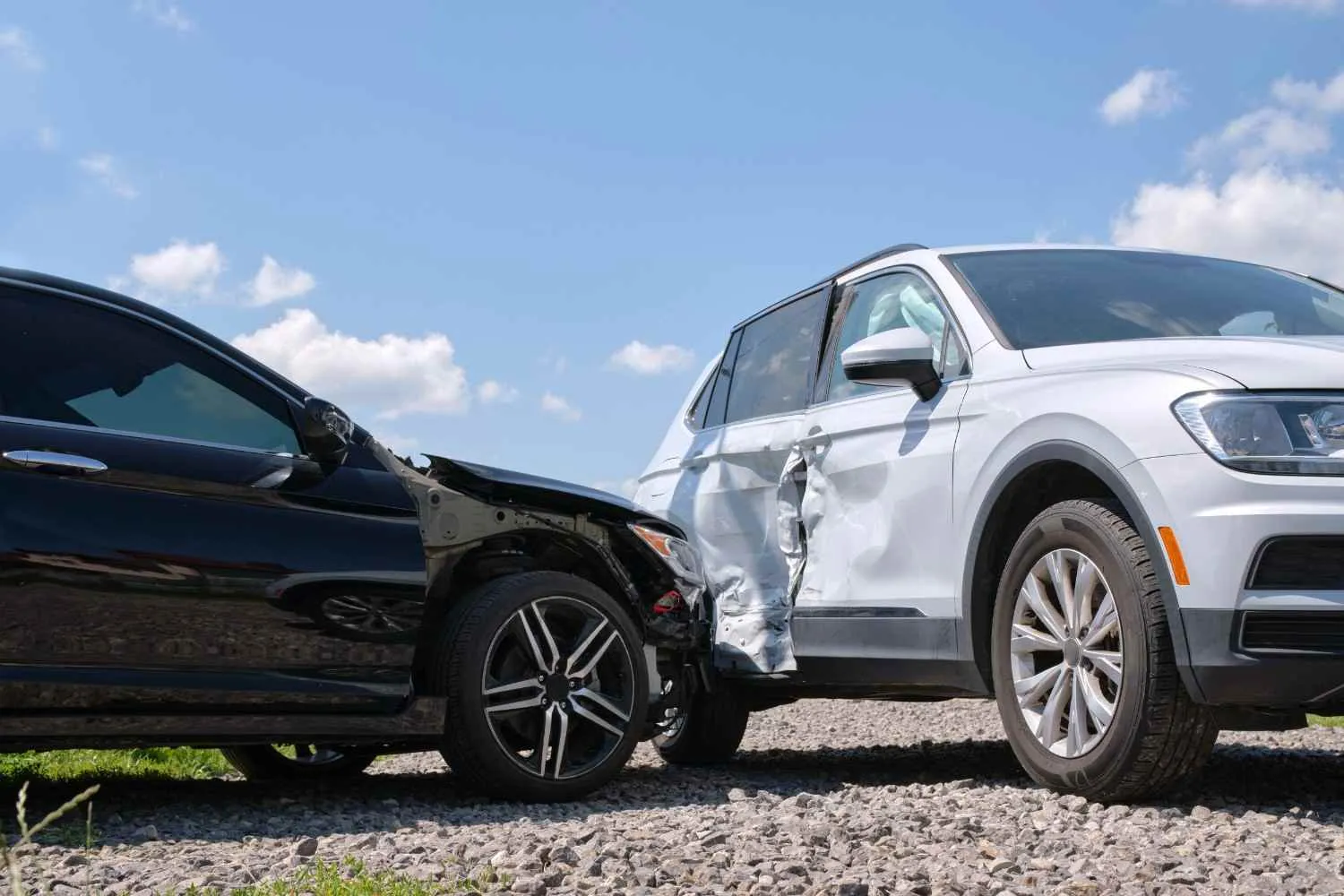
The roadside after a crash is a rough place to learn your limits. Go through liability, collision, deductibles and add-ons with me first, so the bill never arrives as a shock.
Inside every policy
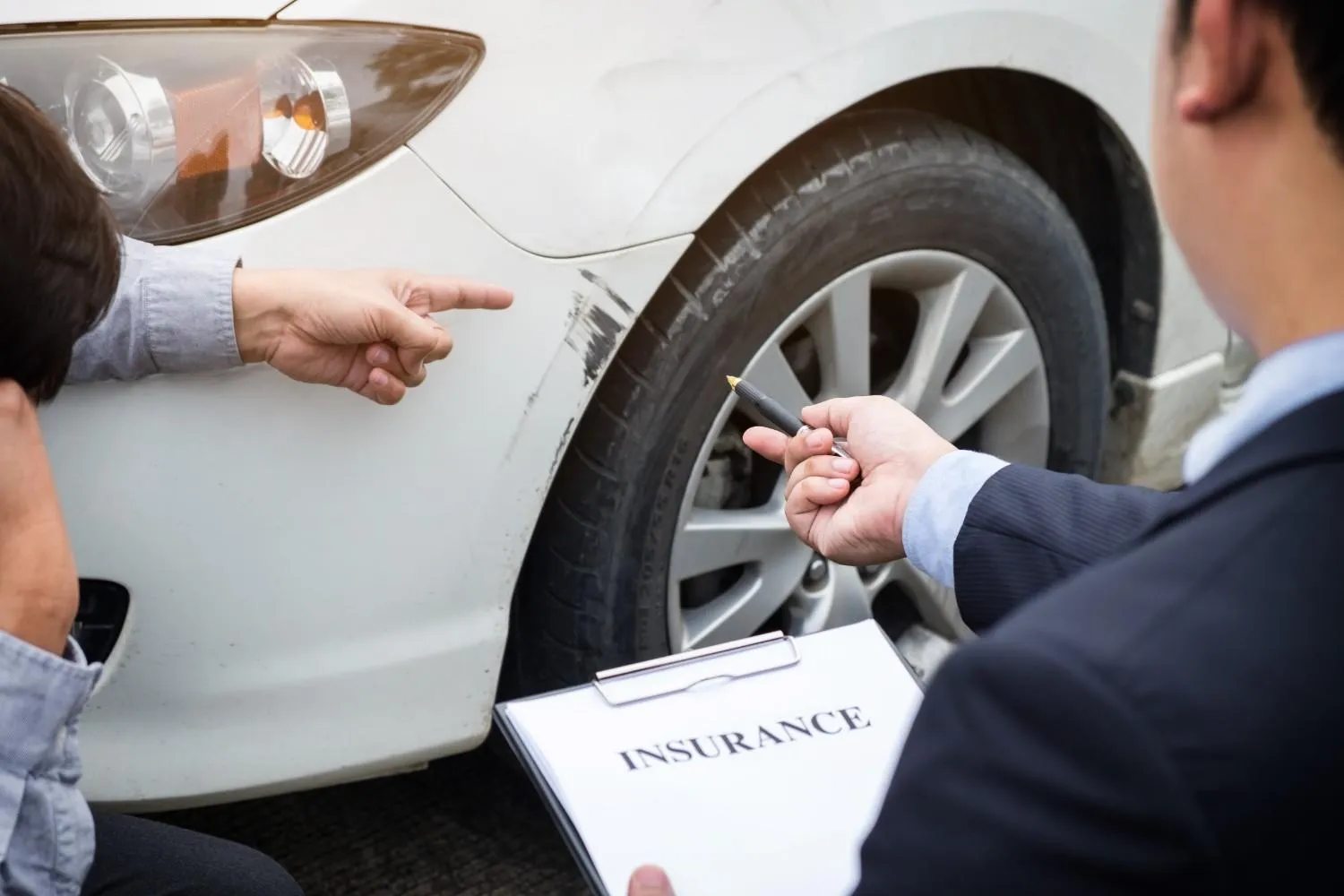
Most auto policies hide the useful parts: how much gets paid, when it gets paid and what you owe first. I go through yours with you, limit by limit, and point out where a gap could cost you after a fender bender or a stolen car.
Limits, deductibles and add-ons, each one explained.
Learn the ApproachReasons to pick this desk
I work alone, so the person who explains your liability limits is the same one who answers after a fender bender.
Each question about your auto policy goes straight to me.
Deductibles and limits get scaled to what you can afford.
Learn what to save and who to tell before a crash occurs.
Roadside and rental cover is raised only if it suits you.
From the driver's seat
My old plan had no towing at all and I never knew. One short email later I added roadside help, and it paid for my tow the very next month.
Adding my son to the policy looked scary on price. I was shown which limits to keep and which discount to ask for, so the bill stayed fair.
I lease my car and had never once heard of gap cover. Now I know what the lender would still want from me if the car were ever written off.
Questions drivers send
They are caps: injury per person, injury per crash and damage to other people's property. Costs above them fall on you.
Often not. Many policies treat glass apart from crash damage, sometimes with a smaller deductible or none at all.
The insurer pays what the car was worth just before the loss, minus your deductible, not what you first paid for it.
Only when rental reimbursement is on the policy. It carries a daily cap and a day limit, so it is worth checking both.
Even a brief gap can push your next rate up, and any crash during that gap is paid entirely from your own pocket.